

Managing the flow of vehicles and pedestrians at an event isn’t just about convenience. It has a direct impact on safety, emergency access, and the overall experience for everyone attending. From large public festivals to private functions and corporate events, poor event traffic control can quickly lead to congestion, confusion, and avoidable risk.
At Frontline Security, we work with event organisers across Auckland, Wellington, and Christchurch to plan and manage traffic in a way that keeps people moving safely while supporting the wider security strategy. If you’re planning an event, understanding how traffic should be controlled and why it matters is a good place to start.
Why Event Traffic Control Matters More Than You Think
Traffic management is often one of the most underestimated parts of event planning. When vehicles, pedestrians, and service access points aren’t clearly separated or coordinated, small issues can escalate quickly. Delays at entry points can cause frustration, poorly managed exits can create bottlenecks, and limited access for emergency vehicles can pose serious safety concerns.
In our experience, the most common security incidents in event management are linked in some way to poor planning around movement and access. Traffic flow is not just about cars. It connects directly to crowd control, communication, and how quickly a situation can be managed if something goes wrong.
That’s why effective event traffic control should be treated as a core part of your event security plan, not something that gets addressed at the last minute.
5 Best Techniques for Traffic Control
Effective event traffic control is about creating a safe, organised environment where attendees, staff, and emergency services can operate without unnecessary risk. Here are five techniques you can put in place for traffic control at your next event.

1. Start With a Clear Traffic Management Plan
Every successful event begins with a well-thought-out plan, and traffic control is no exception. A detailed traffic management plan sets the foundation for how vehicles will enter, move through, and exit the site. It also outlines pedestrian pathways, loading zones, emergency access routes, and contingency plans if things don’t go as expected.
A strong plan considers the type of event, expected attendance, peak arrival times, and the surrounding environment. For example, a city-based event in Wellington will have very different requirements to a large outdoor event on the outskirts of Christchurch.
Without a clear plan, even the best team will struggle to maintain safe and consistent event traffic control.
2. Separate Vehicle and Pedestrian Movement
One of the most effective ways to reduce risk at any event is to create clear separation between vehicles and people on foot. When these two flows overlap, the chance of accidents increases significantly, especially in busy or low-visibility conditions.
Designated walkways, barriers, and controlled crossing points help guide attendees safely through the space while allowing vehicles to move without unnecessary interruptions. Signage also plays a key role here, particularly for larger events where attendees may not be familiar with the layout.
This approach works hand in hand with broader crowd management strategies as managing how people move through a space is just as important as managing the vehicles around them.
3. Use Trained Personnel for Direction and Control
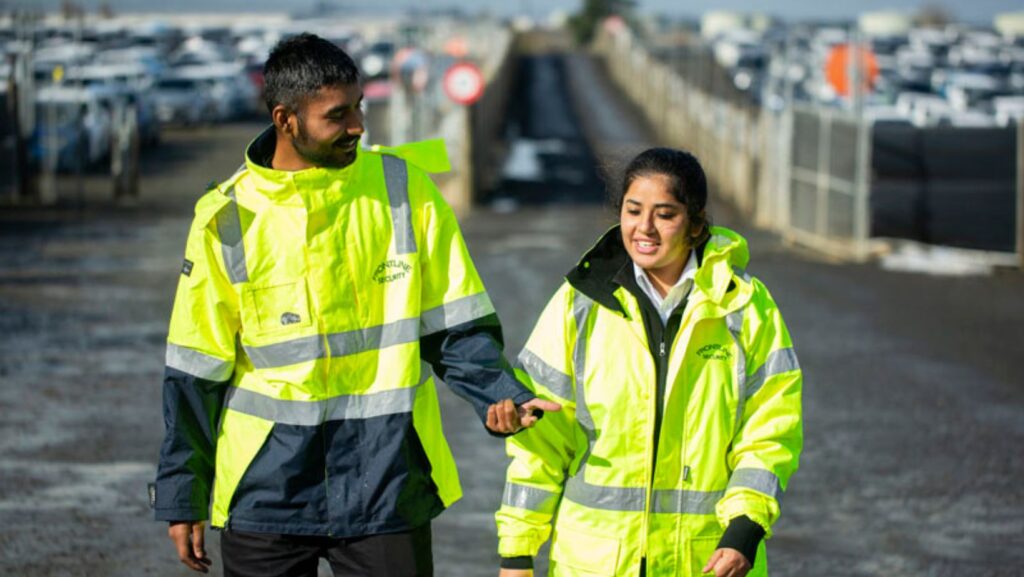
Even with a solid plan in place, real-time decision making is what keeps things running smoothly on the day. This is where trained event security guards can make a significant difference.
Experienced traffic controllers and security staff understand how to read a situation and respond quickly. They can adjust entry points, manage unexpected surges in arrivals, and communicate clearly with drivers and pedestrians. Their presence also adds an extra layer of authority, which helps ensure instructions are followed.
For event organisers, it can be tempting to assign traffic duties to volunteers or internal staff. While this might seem cost-effective, it often leads to confusion and inconsistency. Professional teams are trained not only in directing traffic, but also in identifying risks before they escalate.
At Frontline Security, our team is trained to manage event traffic control as part of a wider security approach. That means we’re not just directing vehicles, we’re actively contributing to the safety of the entire event.
4. Plan for Peak Times and Bottlenecks
Most events follow predictable patterns. There’s usually a surge of arrivals before the start, quieter periods during the event, and a concentrated exit phase at the end. Each of these stages presents different challenges for event traffic control.
Entry points need to be able to handle high volumes without causing delays on surrounding roads, and exit routes need to be clearly defined to prevent congestion and ensure a steady flow of vehicles leaving the site.
Bottlenecks often happen in areas where space is limited or where multiple paths intersect. Identifying these areas during the planning phase allows you to put measures in place, such as additional staff, temporary barriers, or alternative routes.
Professional security teams are experienced in anticipating these pressure points. On the day, they can adjust traffic flow as needed, helping to prevent minor delays from turning into larger issues.
5. Maintain Clear Communication at All Times
Communication is one of the most overlooked aspects of effective event traffic control, yet it’s often the factor that determines whether a plan succeeds or fails.
On-site teams need to be able to communicate quickly and clearly with each other, especially in large or complex environments. Radios, mobile devices, and central coordination points all play a role in keeping everyone aligned.
Clear communication is just as important for attendees. Signage, announcements, and visible staff help guide people through the event and reduce confusion. When people know where to go and what to expect, they are far more likely to follow directions.
In situations where something unexpected happens, strong communication allows for a coordinated response. This is particularly important when managing incidents or ensuring emergency access routes remain clear.
Why Professional Event Traffic Control Makes the Difference
While these techniques provide a solid foundation, the reality is that successful event traffic control relies heavily on experience. Planning, coordination, and real-time decision making all need to come together seamlessly.
This is where working with a professional event security team offers real value. At Frontline Security, we bring together trained personnel, proven processes, and local knowledge to deliver reliable traffic management for events of all sizes.
Our team understands the unique challenges of operating in Auckland, Wellington, and Christchurch. We know how to work within local regulations, manage different types of venues, and adapt to changing conditions on the day.
More importantly, we approach event traffic control as part of a complete security solution. From crowd management to incident response, everything is connected. That means you aren’t just getting traffic direction, you are getting a team that is focused on the overall safety and success of your event.
If you’re organising an event and want confidence that your event traffic control is handled properly, get in touch with our team today. We’ll discuss your upcoming event and how we can help you keep everything running smoothly.